Położona pośrodku Oceanu Atlantyckiego portugalska wyspa Madera ma bogatą historię i wyjątkową kulturę, którą warto poznać. Od kolonialnej przeszłości po tradycyjne rzemiosło i festiwale, a także wpływ, jaki tourism wywarł na wyspę przez lata, jest wiele do odkrycia w tym fascynującym miejscu.
Historia Madery
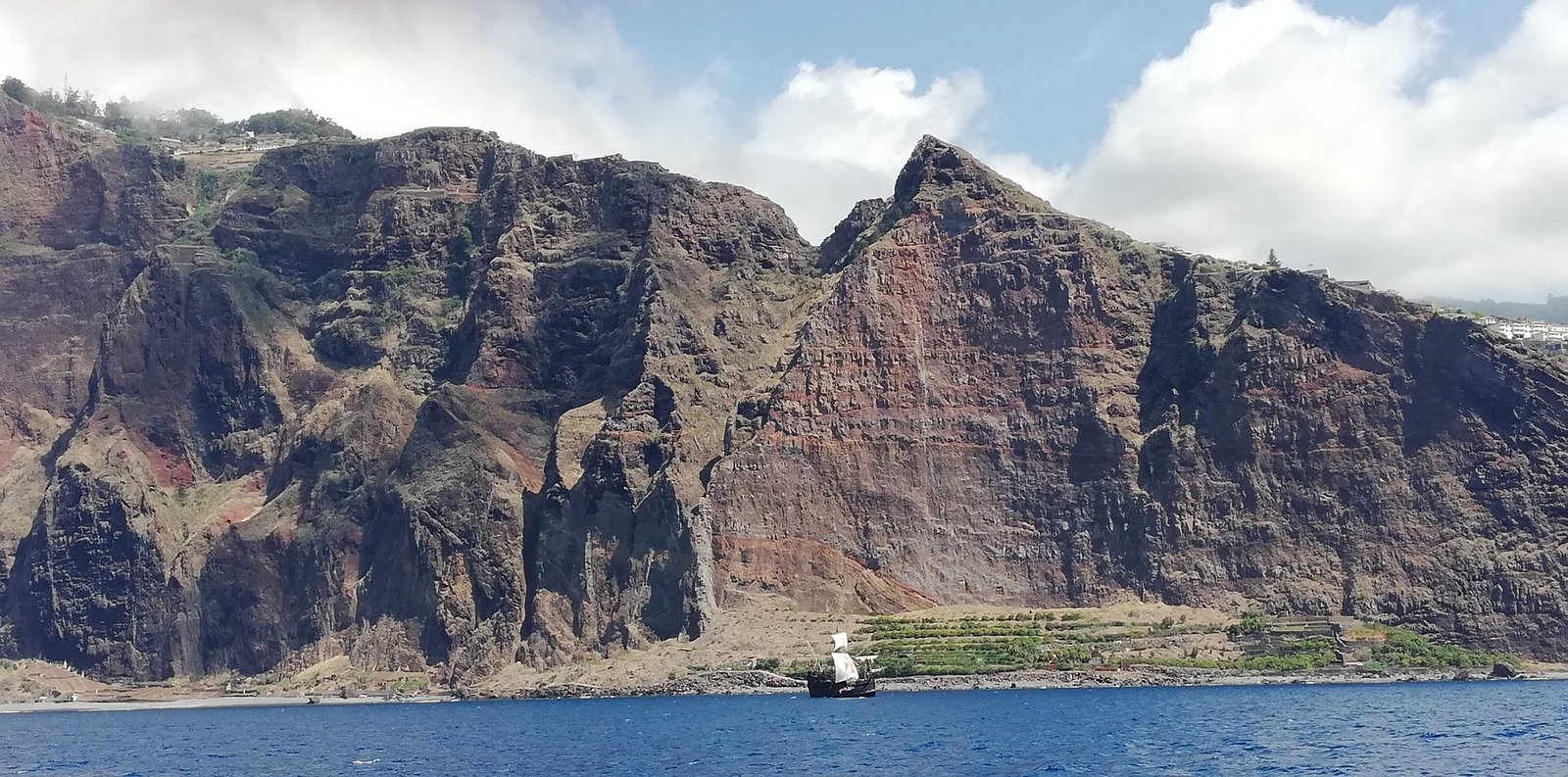
Madera została odkryta przez portugalskich odkrywców na początku XV wieku, a wyspa szybko stała się ważnym przystankiem dla statków podróżujących między Europą, Afryką i Amerykami. W kolejnych stuleciach Madera została skolonizowana przez Portugalczyków, którzy założyli plantacje trzciny cukrowej i zbudowali fortyfikacje, aby chronić wyspę przed piratami i innymi najeźdźcami.
Strategiczna lokalizacja wyspy sprawiła, że stała się ona kluczowym przystankiem dla statków zmierzających do i z Nowego Świata, a Madera stała się centrum transatlantyckiego handlu cukrem, winem i innymi towarami. Wraz ze wzrostem gospodarki wyspy, rosły również jej wpływy kulturowe, a charakterystyczną mieszankę wpływów portugalskich, afrykańskich i karaibskich na Maderze można zobaczyć do dziś.
Kultura Madery
Madera ma wyjątkową kulturę, która została ukształtowana przez jej geografię, historię i tradycje. Jednym z najbardziej uderzających aspektów kultury Madery jest jej muzyka ludowa, która zawiera mieszankę afrykańskich i europejskich rytmów i jest często wykonywana na tradycyjnych instrumentach, takich jak cavaquinho (mała gitara) i braguinha (czterostrunowy instrument).
Inną cechą charakterystyczną kultury Madery jest tradycyjne rzemiosło, które obejmuje wyplatanie koszy, haftowanie i wikliniarstwo. Wiele z tych rzemiosł było przekazywanych przez pokolenia maderskich rodzin i nadal są one produkowane i sprzedawane na wyspie.
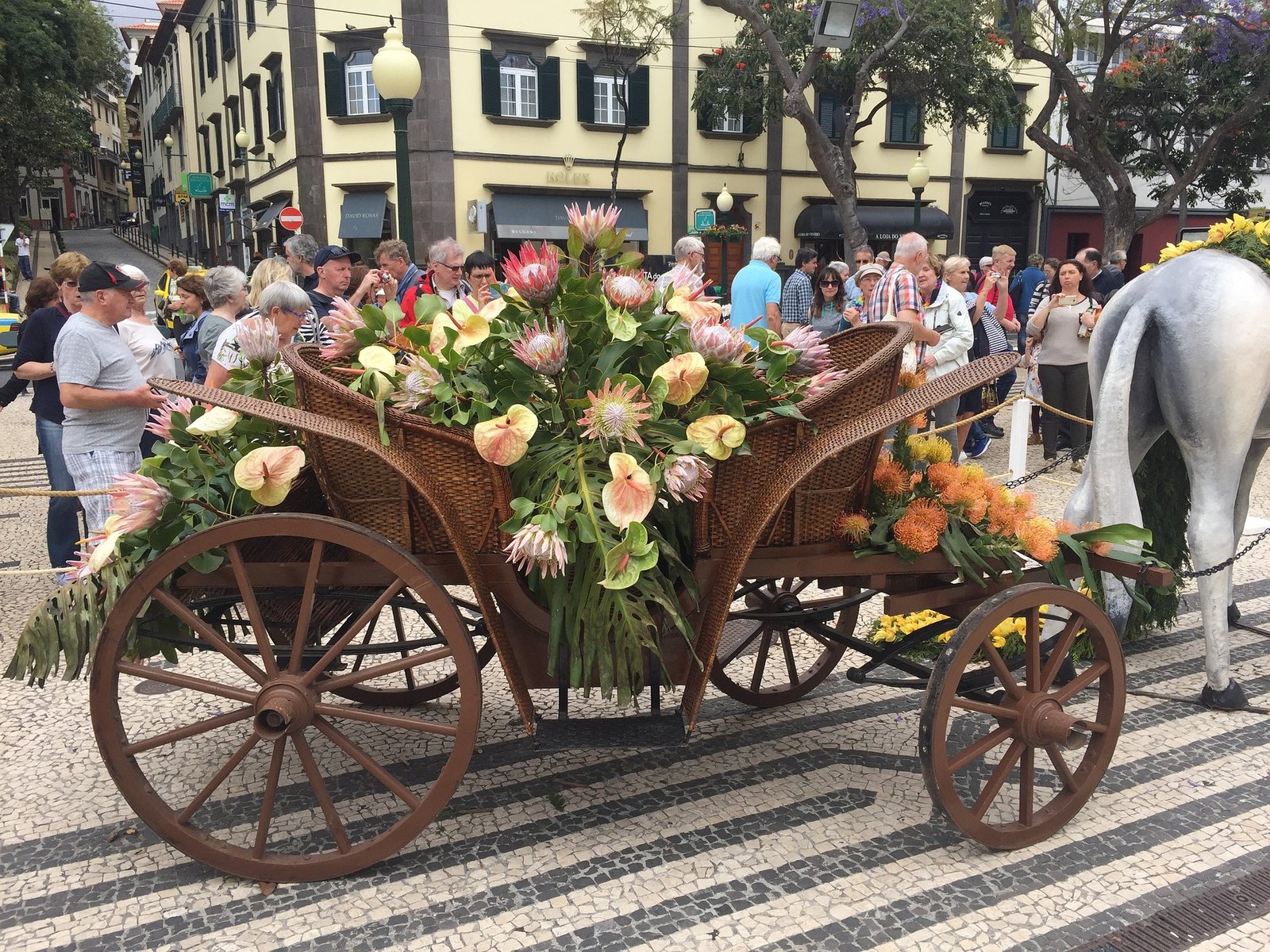
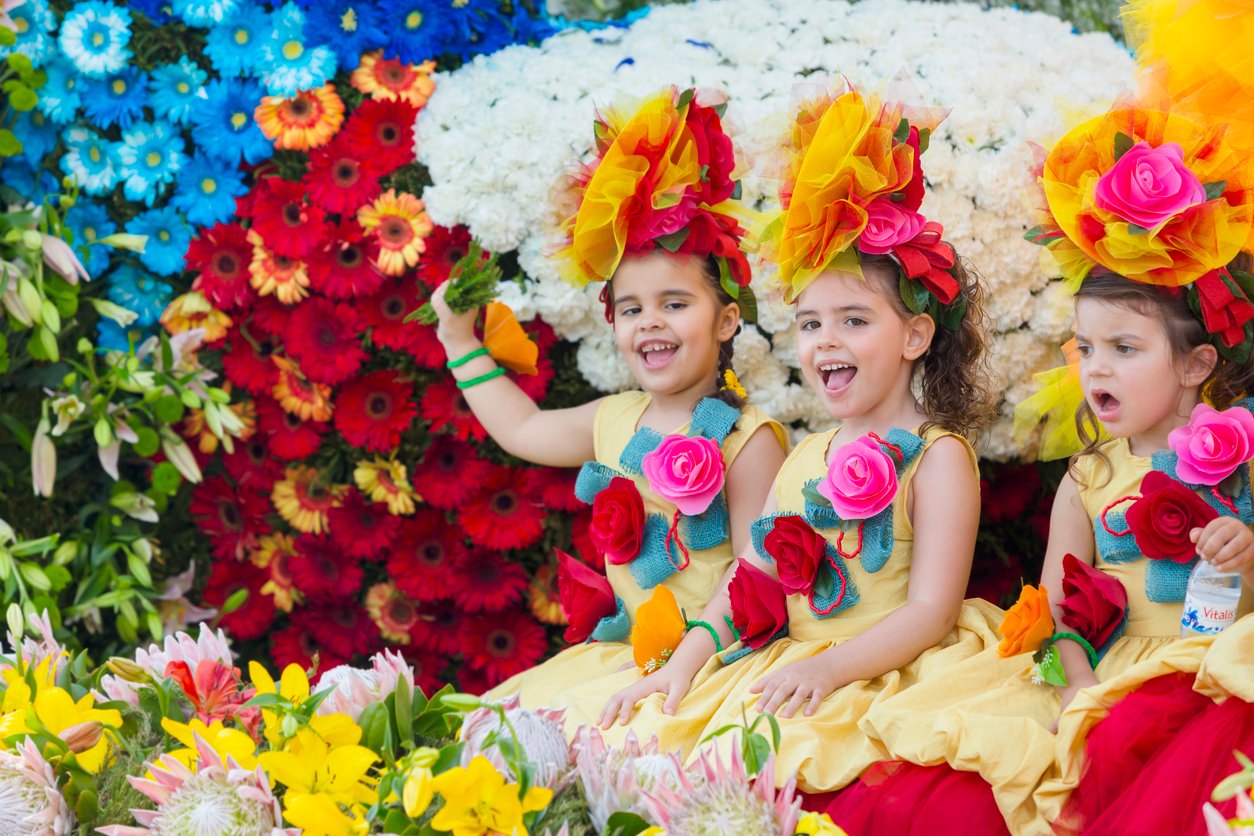
Madera jest również znana ze swoich festiwali i uroczystości, które odbywają się przez cały rok. Jednym z najbardziej znanych jest Festa da Flor (Festiwal Kwiatów), który odbywa się wiosną i obejmuje kolorową paradę pływaków ozdobionych kwiatami. Inne popularne festiwale to Festa do Vinho (Festiwal Wina) i Festa de São João (Festiwal Świętego Jana), które odbywają się latem.
Turystyka i przyszłość Madery
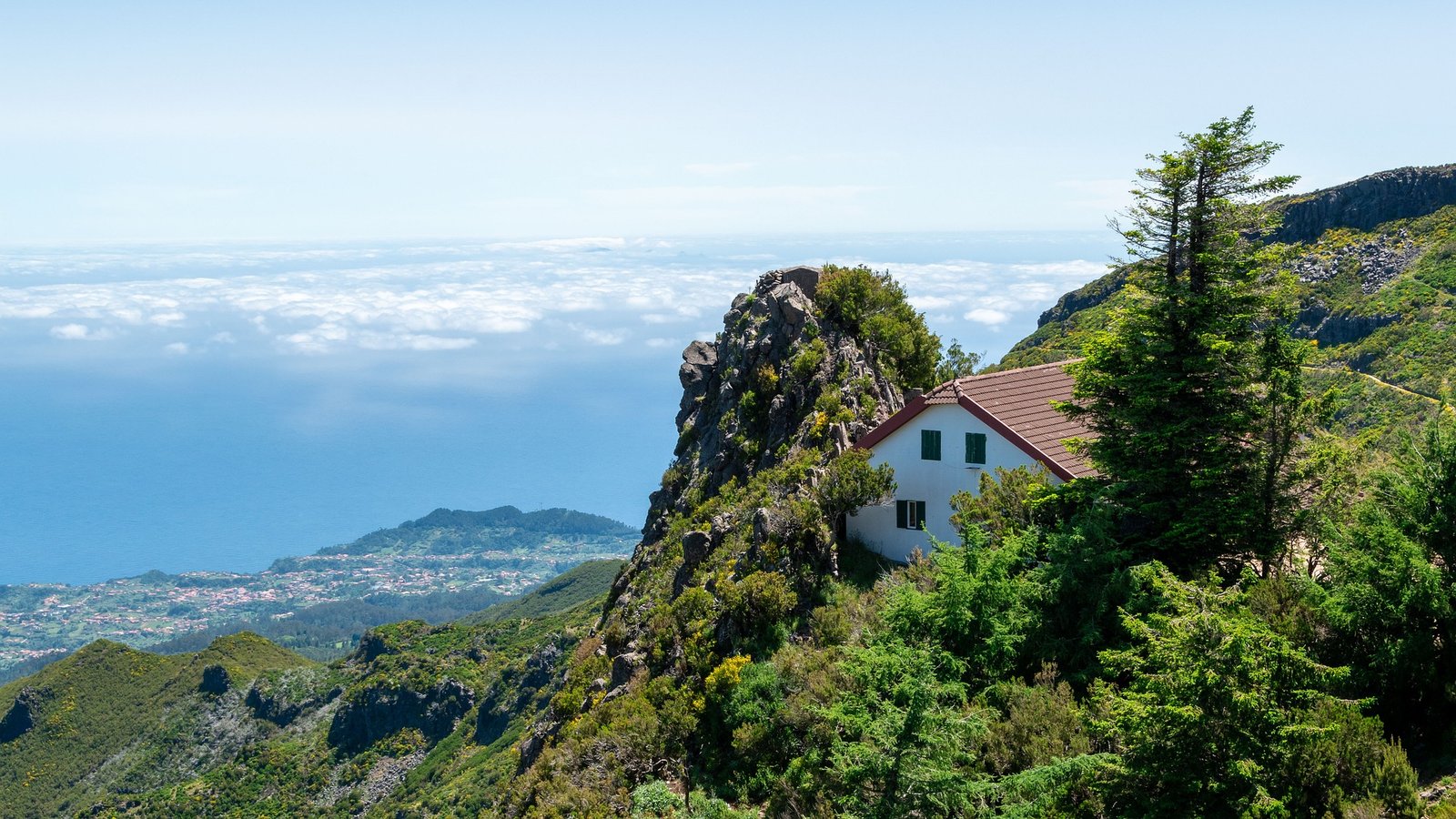
Ostatnio Madera stała się coraz bardziej popularnym celem podróży tourist, dzięki oszałamiającemu pięknu przyrody, łagodnemu klimatowi i bogatej kulturze. Chociaż tourism przyniósł wyspie korzyści ekonomiczne, miał również znaczący wpływ na jej środowisko i styl życia.
Aby zaradzić tym obawom, rząd Madery uruchomił szereg inicjatyw mających na celu promowanie zrównoważonego tourism i zachowanie dziedzictwa naturalnego i kulturowego wyspy. Inicjatywy te obejmują tworzenie rezerwatów przyrody, renowację historycznych budynków i zabytków oraz promocję lokalnego rzemiosła i tradycji.
W miarę jak Madera ewoluuje i rozwija się, jasne jest, że jej historia i kultura pozostaną w centrum jej tożsamości. Niezależnie od tego, czy jesteś miłośnikiem historii, sępem kultury, czy po prostu szukasz pięknego i wyjątkowego celu podróży, Madera jest miejscem, które warto odkryć.
Odkryj swobodę zwiedzania Madery samochodem Witamy na Maderze, atlantyckim klejnocie pełnym spektakularnych krajobrazów i urzekających kultur. Najlepszy sposób na zanurzenie się w jej pięknie? Za kierownicą samochodu wynajętego z This is Madeira Island. To coś więcej niż tylko środek transportu, to bilet do niezapomnianej podróży. Dlaczego warto wynająć samochód na Maderze? Transport publiczny i wycieczki z przewodnikiem mają swoje...
Madera to piękne i wyjątkowe miejsce, które oferuje odwiedzającym szeroki wachlarz atrakcji. Położona u wybrzeży Portugalii, ta wulkaniczna wyspa znana jest z oszałamiających krajobrazów, ciepłego klimatu i bogatego dziedzictwa kulturowego. Jeśli planujesz podróż na Maderę, jest kilka rzeczy, które powinieneś przygotować i zabrać ze sobą, aby zapewnić sobie komfortowy i przyjemny pobyt. W tym...
Madera, znana jako “Perła Atlantyku”, to wspaniała portugalska wyspa położona na Oceanie Atlantyckim. Znana z surowych krajobrazów, malowniczych nadmorskich wiosek i bujnej zieleni, Madera oferuje bogactwo naturalnego piękna do odkrycia. Jednym z najlepszych sposobów na odkrycie tej czarującej wyspy jest wynajęcie samochodu. Jednak podczas wizyty na Maderze ważne jest, aby zarezerwować samochód z wyprzedzeniem. W tym artykule zajmiemy się...
Bądź na bieżąco z cudami Madery! Subskrybuj, aby otrzymywać ekskluzywne wskazówki dotyczące podróży, ekscytujące aktualizacje i oferty specjalne prosto do swojej skrzynki odbiorczej. Twoja następna przygoda zaczyna się tutaj!
Korzystamy z plików cookieUstawienia plików cookie
Wykorzystujemy pliki cookie do obsługi tej witryny, analizy sposobu jej użytkowania oraz wyświetlania odpowiednich reklam. Możesz zaakceptować wszystkie pliki cookie, odrzucić wszystkie lub dokonać wyboru według kategorii. Zapoznaj się z naszą polityką Polityka prywatności.
Elementy niezbędne do działania strony: zabezpieczenia, ochrona przed botami, równoważenie obciążenia, zapisanie wybranych przez Ciebie ustawień plików cookie. Nie można ich wyłączyć.
Treści osadzone, takie jak filmy z serwisu YouTube, oraz zapamiętywanie preferencji dotyczących interfejsu.
Google Analytics 4 — statystyki dotyczące sposobu korzystania ze stron, które pozwalają nam je ulepszać.
Google Ads — mierzenie skuteczności kampanii i wyświetlanie trafnych reklam na innych stronach.
Ta treść jest zablokowana do czasu wyrażenia zgody na używanie funkcjonalnych plików cookie.
Ta treść jest zablokowana, dopóki nie zezwolisz na pliki cookie serwisu Analytics.
Ta treść jest zablokowana, dopóki nie zezwolisz na pliki cookie związane z marketingiem.
🚗 🚨 FLASH10 = Natychmiastowy kod rabatowy! 🚨 Zastosuj kod przy kasie dla wszystkich wypożyczeń samochodów w wysokości 7+ dni. Nie przegap - ważne tylko do końca dzisiaj 23:59