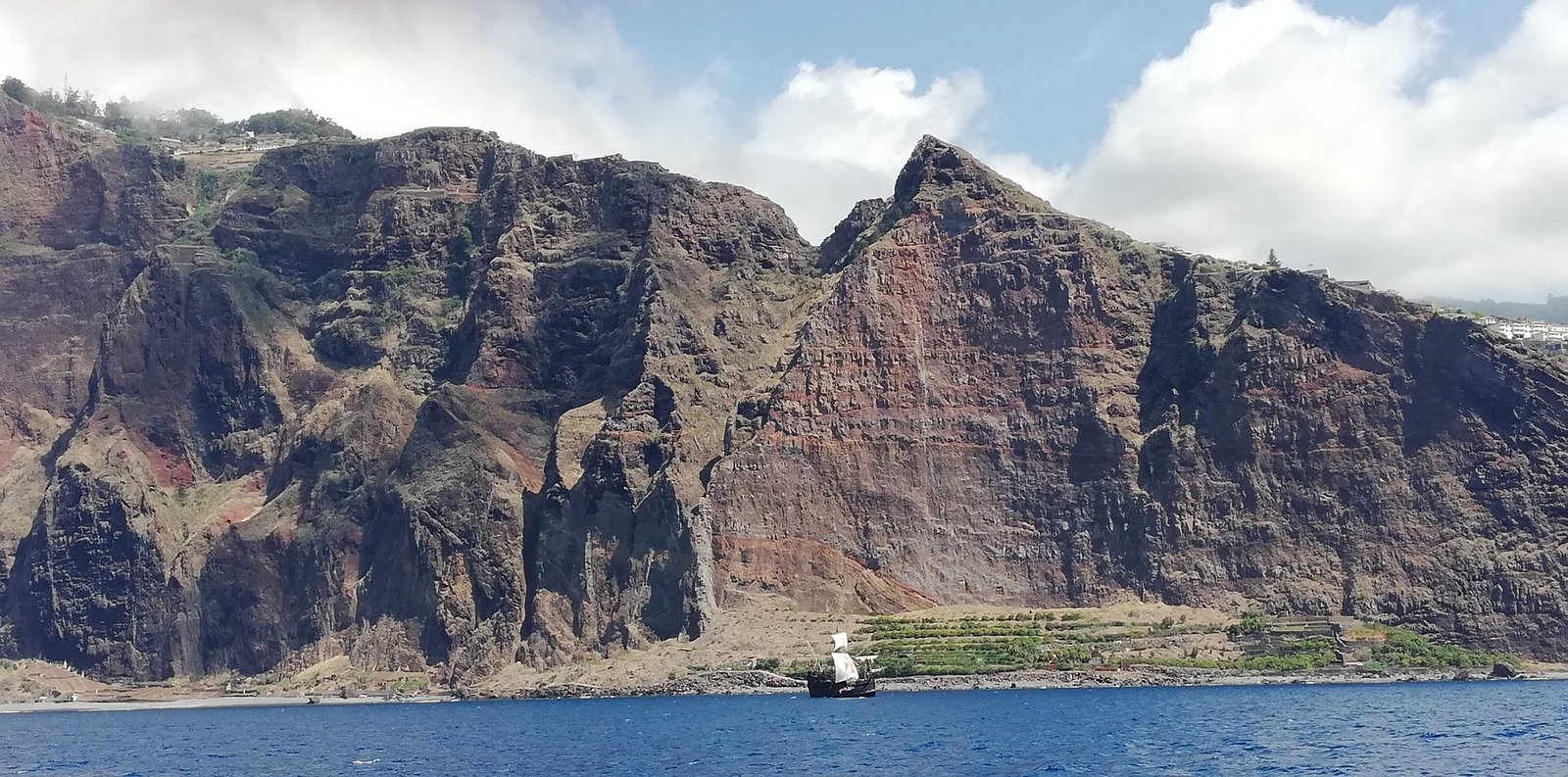
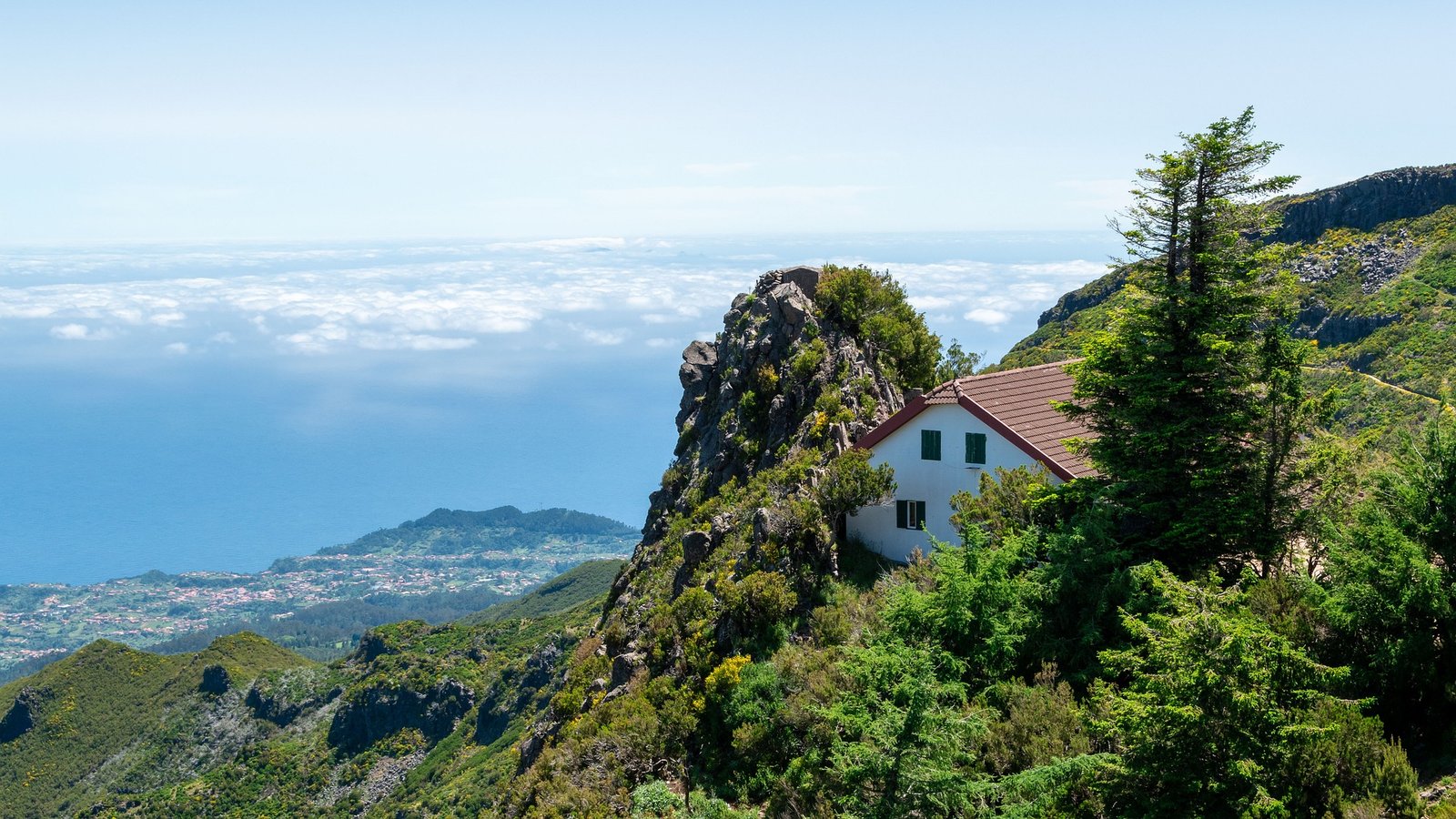
Madeira is a picturesque archipelago situated off the coast of Portugal, known for its mild climate, lush greenery, and stunning natural beauty. It is the perfect destination for those who love to explore nature, indulge in delicious food, and soak in the vibrant culture. With so much to offer, it can be challenging to plan the perfect trip to Madeira. In this guide, we will take you through everything you need to know to make your visit to Madeira unforgettable.
When to visit Madeira
Madeira is a year-round destination, thanks to its mild climate and warm temperatures. The island enjoys an average temperature of 22°C, making it pleasant to visit at any time of the year. However, the best time to visit Madeira depends on your preferences and the activities you plan to do.
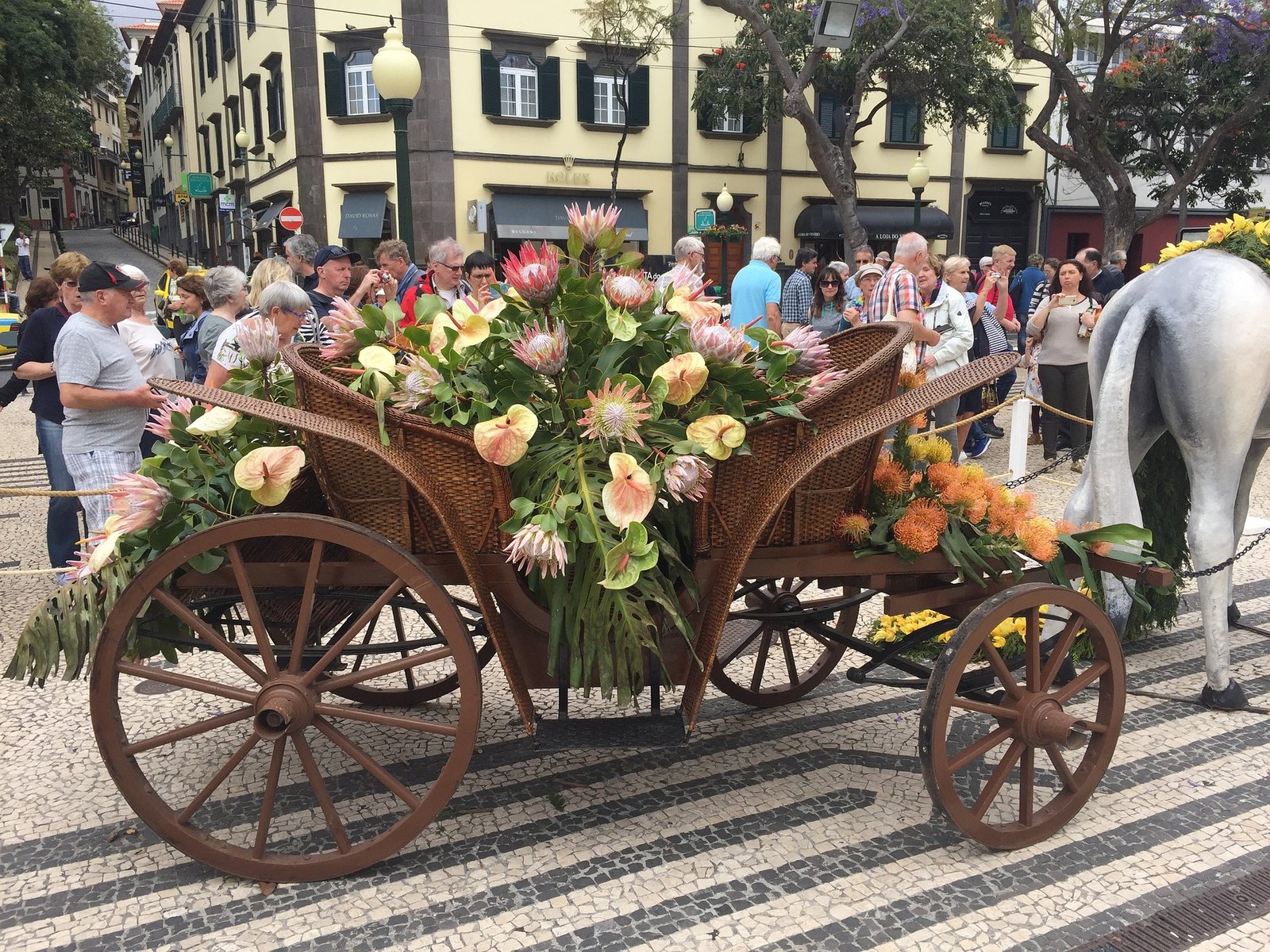
Spring (March-May): This is a great time to visit Madeira, especially if you love flowers. The island’s famous Flower Festival takes place in April, and the streets of Funchal are adorned with colourful floral displays. The weather is mild, with average temperatures ranging from 17°C to 21°C, making it ideal for outdoor activities such as hiking, sightseeing, and whale watching.
Summer (June-August): Madeira experiences its warmest temperatures during the summer, with average temperatures ranging from 22°C to 26°C. This is the perfect time to hit the beaches and enjoy water sports such as swimming, surfing, and sailing. The island also hosts several festivals during the summer, including the Madeira Wine Festival in August, which celebrates the island’s famous fortified wine.
Autumn (September-November): Autumn is a great time to visit Madeira, as the weather is still warm, with average temperatures ranging from 21°C to 24°C. The island is less crowded during this time, making it an ideal time to enjoy the natural beauty of the island without the crowds. Autumn is also the best time to harvest the grapes used to make the famous Madeira wine.
Winter (December-February): Madeira’s winter is mild, with temperatures ranging from 16°C to 19°C. It is a great time to explore the island’s museums and cultural attractions, such as the Madeira Story Centre and the Monte Palace Tropical Garden. The island also hosts several Christmas events, including the Funchal Christmas Lights Festival, where the streets of Funchal are adorned with Christmas lights.
Getting to Madeira
By plane: Madeira has one international airport, Cristiano Ronaldo Madeira International Airport (FNC), located in Santa Cruz, just 16 km from Funchal, the island’s capital city. The airport serves several airlines, including TAP Portugal, British Airways, and Ryanair, among others. Direct flights to Madeira are available from several European cities, including London, Lisbon, Amsterdam, and Frankfurt.
By cruise: Madeira is a popular stop on many cruise itineraries, and several cruise ships dock at the port of Funchal throughout the year. If you would like to explore the island as part of a larger itinerary, a cruise is an excellent option.
By private yacht: If you are looking for a luxurious and unique way to arrive in Madeira, you can charter a private yacht to take you to the island. The marinas in Funchal and Quinta do Lorde are equipped to accommodate yachts of all sizes.
The most convenient way to reach Madeira is by flying to Funchal International Airport, which receives direct flights from several European cities.
Getting around Madeira
The best way to explore Madeira is by renting a car. There are several car rental companies in Madeira, and you can easily book a car online or at the airport. If you prefer not to drive, there are buses that run between Funchal and other towns on the island. Taxis are also available, but they can be expensive.
Accommodation in Madeira
Madeira offers a range of accommodation options, including hotels, guest houses, and flats. If you prefer a luxurious stay, there are several five-star hotels in Funchal. Alternatively, you can stay in a traditional Madeiran Quinta, which is a charming country house converted into a guest house. There are also several self-catering flats available for those who prefer more privacy.
Things to do in Madeira
Visit the capital city of Funchal
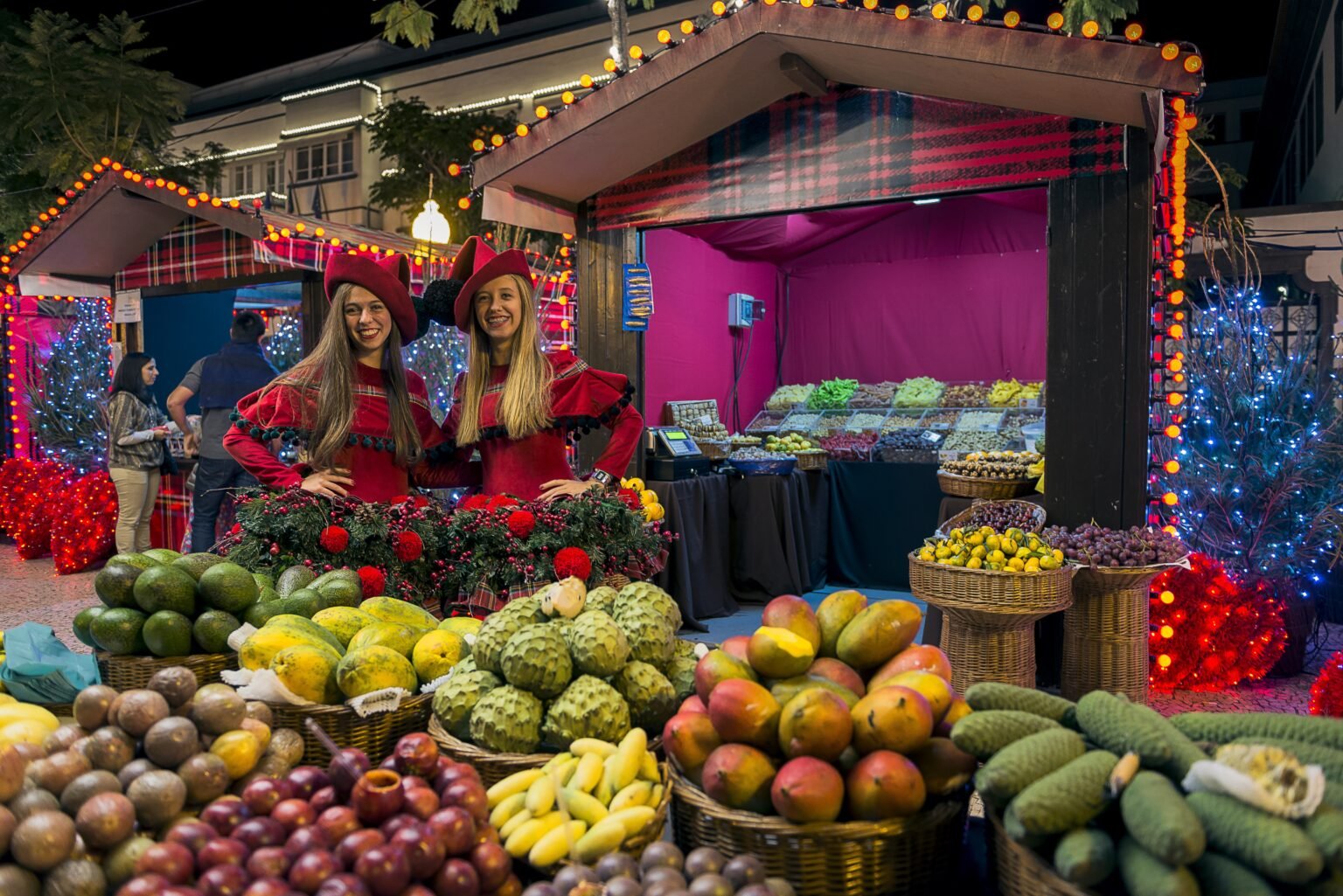
Funchal is the capital city of Madeira and offers a range of attractions, including museums, historic churches, and beautiful gardens. One of the must-visit places in Funchal is the Mercado dos Lavradores, a vibrant market where you can buy fresh fruits, vegetables, and seafood.
Hike the Levada trails
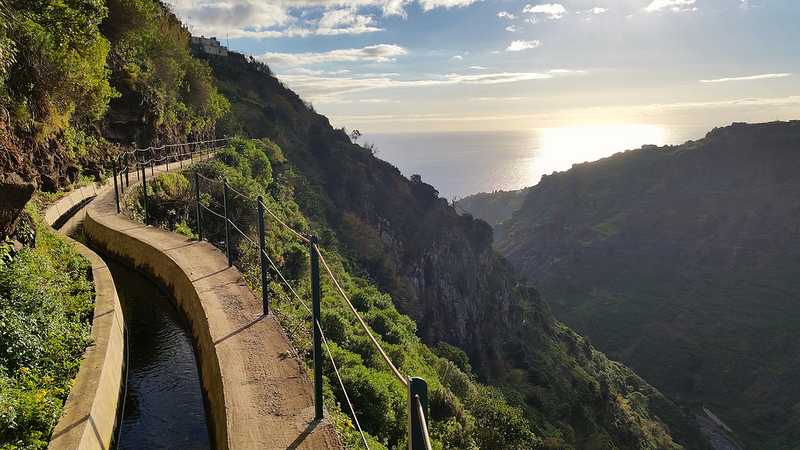
Madeira is renowned for its Levada trails, which are irrigation channels that run along the mountains. These trails offer some of the most scenic hikes on the island and are a great way to explore the lush forests, waterfalls, and valleys.
Explore the Laurissilva Forest
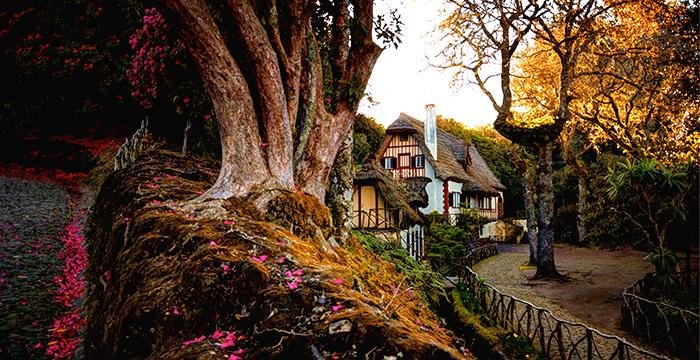
The Laurissilva Forest is a UNESCO World Heritage Site and is one of the last remaining laurel forests in the world. The forest covers a large part of the island and offers several hiking trails that take you through dense forests and beautiful landscapes.
Visit the fishing village of Câmara de Lobos
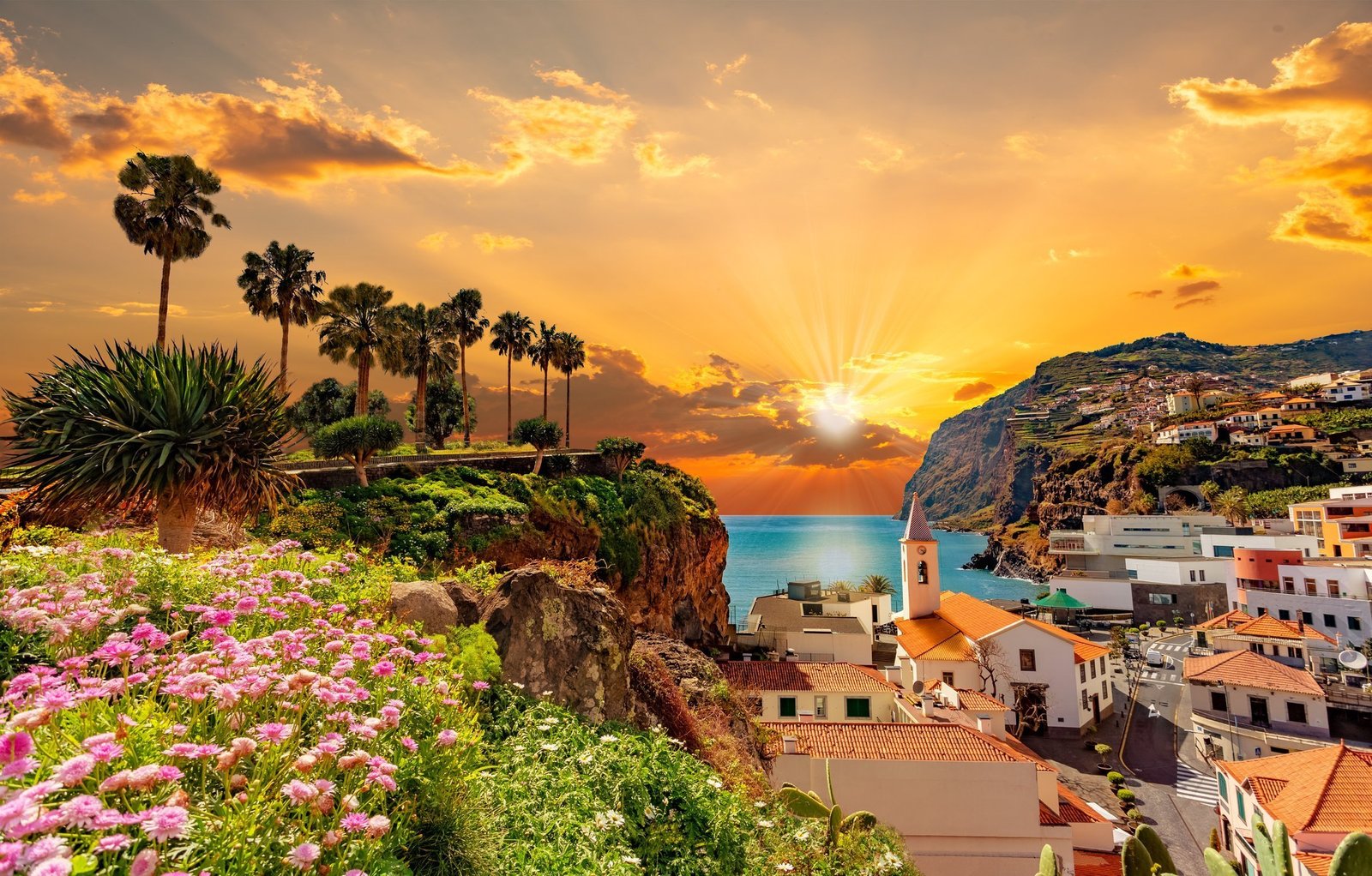
Câmara de Lobos is a charming fishing village located on the southern coast of Madeira. The village is well-known for its painted boats and is a great place to try some of the freshest seafood in Madeira.
Camara de Lobos village in Madeila island, Portugal
Go dolphin & whale watching
Madeira is one of the best places in Europe to go whale watching. Several tour operators offer boat trips that take you out to sea, where you can spot several species of whales and dolphins.
Visit the Pico do Arieiro
Pico do Arieiro is the third-highest peak in Madeira and offers some of the most breathtaking views on the island. You can reach the peak by car or take a hike from the nearby town of Pico do Arieiro.
Visit the volcanic pools of Porto Moniz
Porto Moniz is a coastal town in Madeira famous for its natural volcanic pools. The pools are formed by volcanic rocks and are filled with crystal clear seawater. It is a great place to relax and swim while enjoying the stunning views of the Atlantic Ocean.
Try the local cuisine
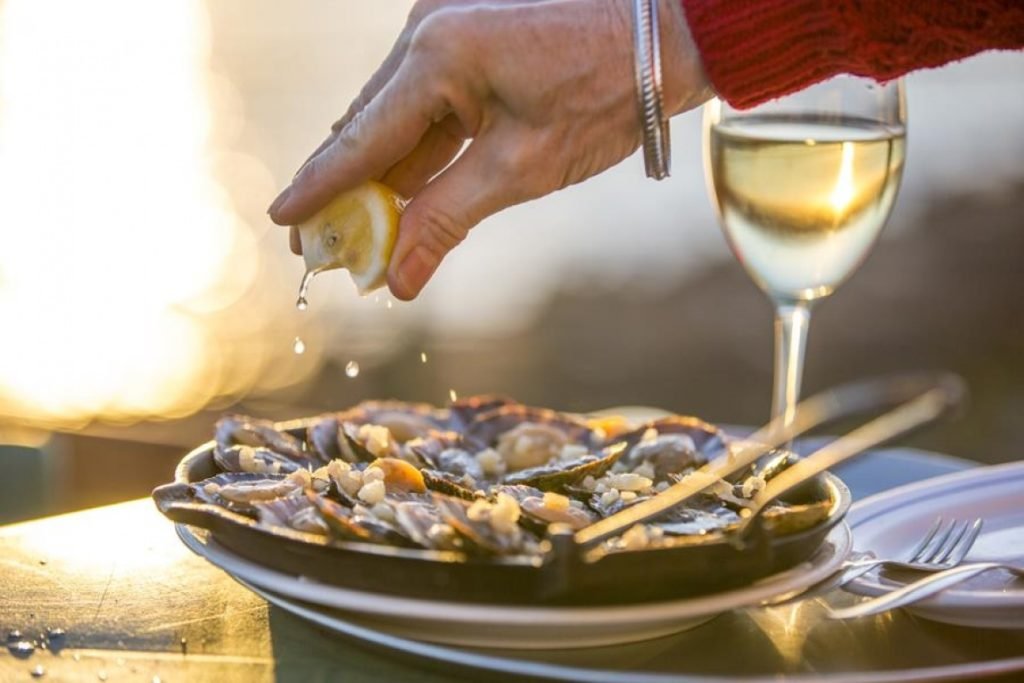
Madeira is well-known for its delicious food, and there are several dishes that you must try during your visit. The traditional Madeiran dish is Espetada, which is grilled meat skewers served with garlic bread and salad. You should also try the local seafood, such as limpets and grilled octopus, and the Madeira wine, which is a fortified wine made on the island.
Visit the Monte Palace Tropical Garden
The Monte Palace Tropical Garden is a stunning botanical garden located in Funchal. The garden features exotic plants, waterfalls, and several sculptures, and offers some of the most beautiful views of Funchal.
Visit the Madeira Story Centre
The Madeira Story Centre is a museum located in Funchal that tells the history of Madeira. The museum features several interactive exhibits and is a great place to learn about the island’s culture and traditions.
Madeira is a beautiful destination that offers something for everyone. Whether you love hiking, exploring nature, or indulging in delicious food, Madeira has it all. With this guide, you can plan the perfect trip to Madeira and experience all that this stunning archipelago has to offer. Don’t forget to pack your camera and capture all the unforgettable moments during your trip to Madeira.
Madeira is a stunning Portuguese archipelago located in the Atlantic Ocean. Known for its lush greenery, stunning coastline, and charming towns, Madeira is quickly becoming a popular destination for travellers. Here are 10 reasons why Madeira should be on your travel bucket list:
Natural Beauty
Madeira is home to some of the most beautiful natural scenery in the world. From soaring mountains to breathtaking waterfalls, there is something for everyone. The island is also known for its stunning botanical gardens and lush forests, which are perfect for hiking and exploring.
Stunning Architecture
Madeira is home to some of the most beautiful and unique architecture in the world. The island’s traditional houses and buildings feature bright, bold colours, intricate tile work, and wrought iron balconies. Some of the most iconic examples of Madeiran architecture include the Santa Clara Convent, the Mercado dos Lavradores (Farmers Market), and the Avenida Arriaga, a grand boulevard in the heart of Funchal, the island’s capital. Exploring Madeira’s architecture is a feast for the eyes and a must-do for any lover of design and history.
Delicious Cuisine
Madeira is known for its delicious seafood and unique cuisine. The island is home to many traditional restaurants that serve local specialities, such as Espetada (grilled meat skewers) and Bolo de Mel (honey cake).
Wine Tasting
Madeira is renowned for its fortified wine, which has been produced on the island for over 500 years. Visitors can take tours of the vineyards and wineries, and taste the famous Madeira wine.
Historical Landmarks
Madeira has a rich history that is evident in its many historical landmarks, including the Se Cathedral, the São Tiago Fortress, and the Santa Clara Convent. These landmarks offer a glimpse into the island’s past and are a must-visit for history buffs.
Cultural Festivals
Madeira is well-known for its festivals, which are held throughout the year. These festivals are a celebration of Madeiran culture and include traditional music, dance, and food.
Beaches
Madeira may not be known for its beaches, but the island still offers some beautiful spots to relax and soak up the sun. Calheta Beach, Porto Santo Beach, and Machico Beach are some of the most popular.
Levada Walks
One of the unique experiences in Madeira is exploring the island’s levadas, which are ancient irrigation channels that wind through the mountains and forests. These levadas are now popular hiking trails, offering stunning views of the landscape and a chance to get up close with the island’s flora and fauna. Some of the most popular levada walks include the Rabaçal Levada Walk, the Balcony Walk, and the 25 Fontes Walk.
Friendly Locals
Madeirans are known for their warm hospitality and friendly nature. Visitors are sure to feel welcome and at home on the island.
Mild Climate
Madeira’s mild climate makes it a great destination year-round. The island enjoys warm temperatures and sunny days, even in the winter months.
In conclusion, Madeira is a destination that has something for everyone. From natural beauty to adventure sports, delicious cuisine to cultural festivals, there are plenty of reasons to add Madeira to your travel bucket list. So, what are you waiting for? Start planning your trip to Madeira today!
Nestled in the middle of the Atlantic Ocean, the Portuguese island of Madeira has a rich history and unique culture that’s worth exploring. From its colonial past to its traditional crafts and festivals, and the impact that tourism has had on the island over the years, there’s plenty to discover about this fascinating destination.
History of Madeira
Madeira was discovered by Portuguese explorers in the early 15th century, and the island quickly became an important stopover point for ships travelling between Europe, Africa, and the Americas. In the centuries that followed, Madeira was colonized by the Portuguese, who established sugarcane plantations and built fortifications to protect the island from pirates and other invaders.
The island’s strategic location also made it a key stopping point for ships heading to and from the New World, and Madeira became a hub for transatlantic trade in sugar, wine, and other commodities. As the island’s economy grew, so too did its cultural influence, and Madeira’s distinctive mix of Portuguese, African, and Caribbean influences can still be seen today.
Culture of Madeira
Madeira has a unique culture that’s shaped by its geography, history, and traditions. One of the most striking aspects of Madeiran culture is its folk music, which features a blend of African and European rhythms and is often performed on traditional instruments like the cavaquinho (a small guitar) and the braguinha (a four-stringed instrument).
Another hallmark of Madeiran culture is its traditional crafts, which include basket-weaving, embroidery, and wickerwork. Many of these crafts have been passed down through generations of Madeiran families, and they continue to be produced and sold on the island today.
Madeira is also known for its festivals and celebrations, which take place throughout the year. One of the most famous is the Festa da Flor (Flower Festival), which takes place in the spring and features a colorful parade of floats decorated with flowers. Other popular festivals include the Festa do Vinho (Wine Festival) and the Festa de São João (St. John’s Festival), which are both held in the summer.
Tourism and the Future of Madeira
Recently, Madeira has become an increasingly popular tourist destination, thanks to its stunning natural beauty, mild climate, and rich culture. While tourism has brought economic benefits to the island, it has also had a significant impact on its environment and way of life.
To address these concerns, the government of Madeira has launched a number of initiatives aimed at promoting sustainable tourism and preserving the island’s natural and cultural heritage. These initiatives include the creation of nature reserves, the restoration of historic buildings and monuments, and the promotion of local crafts and traditions.
As Madeira continues to evolve and grow, it’s clear that its history and culture will remain at the heart of its identity. Whether you’re a history buff, a culture vulture, or simply looking for a beautiful and unique travel destination, Madeira is a place that’s well worth exploring.
Madeira is a beautiful island situated off the coast of Portugal, and is a popular tourist destination for its lush green landscapes, beautiful beaches, and year-round pleasant climate. However, if you’re planning a trip to Madeira, you may be wondering what the best time of year to visit is. In this article, we’ll explore the various seasons and weather patterns in Madeira to help you decide when to plan your visit.
Spring (March – May)
Spring is a fantastic time to visit Madeira. The island comes alive with an array of colourful flowers and trees, and the temperatures start to warm up after the cooler winter months. During this season, you can expect temperatures to range from around 17°C to 22°C (63°F to 72°F), with fewer tourists and more affordable prices than in the peak summer months. You can also attend the world-famous Madeira Flower Festival in April, which is a celebration of the island’s stunning flora and fauna.
Aerial view of winding road trough the dense woods on the high mountain in Encumeada, Ribeira Brava, Madeira island.
Summer (June – August)
Summer is peak season in Madeira, and it’s the most popular time of year to visit the island. The weather is warm and sunny, with temperatures typically ranging from 22°C to 26°C (72°F to 79°F), making it perfect for beach goers and outdoor enthusiasts. You can enjoy swimming, surfing, and other water sports, as well as exploring the island’s many hiking trails and scenic viewpoints. However, keep in mind that prices may be higher, and the island can get crowded during this season.
Panoramic view of the capital of Madeira island Funchal, Portugal. High quality photo
Autumn (September – November)
Autumn is another great time to visit Madeira. The temperatures start to cool down, with average temperatures ranging from 18°C to 24°C (64°F to 75°F). You can enjoy many of the same outdoor activities as in the summer months, but with fewer crowds and more affordable prices. The island is also quieter during this season, which is perfect if you’re looking for a more relaxed and peaceful holiday. You can also attend the Madeira Wine Festival in September, which celebrates the island’s rich wine-making tradition.
Centuries-old til trees in fantastic magical idyllic Fanal Laurisilva forest on sunset. Madeira island, Portugal
Winter (December – February)
Winter is the coolest time of year in Madeira, with temperatures ranging from 15°C to 20°C (59°F to 68°F). However, even in the winter months, the weather remains pleasant and sunny, making it an excellent choice for those looking to escape the cold winter weather in other parts of Europe. You can enjoy a range of indoor and outdoor activities, including exploring the island’s museums and historic sites, hiking, and enjoying the festive holiday season.
Looking west over the bay of Machico on Madeira island
In conclusion, Madeira is a beautiful island with a year-round mild and pleasant climate, making it an excellent choice for a holiday at any time of the year. However, the best time to visit depends on your preferences and what you want to experience during your stay. Whether you’re looking for warm summer days, colourful spring flowers, or a peaceful winter retreat, Madeira has something to offer for every season.
The simple cuisine of the Madeira Archipelago portrays the soul of a simple, yet generous people.
Here, the cuisine excels in the traditional and the modern, in a creative subtlety between the various high quality regional products, which enables a diversified menu of gastronomic specialities to be prepared, from regional dishes through to international and gourmet cuisine.
Right in the Atlantic, the fish such as black scabbard fish fillets and tuna steak, is tasty, and is prepared in the traditional way, accompanied by crunchy fried corn. The octopus and seafood, including limpets, periwinkles and many others, is also delicious.
Limpets
As for meat, the most traditional dish is the famous beef kebab on a bay stick, which gives it an unmistakable flavour. Home-made couscous, wheat soup and wine- and garlic-marinated beef are also highly sought after.
In Madeira, a land of exceptional climate, there is a wide variety of crops, including sugar cane andtropical fruits (from the much appreciated bananas to pineapple, avocado pear, custard apple, mango and passion fruit), which are also used in drinks and delicate desserts.
Espetada
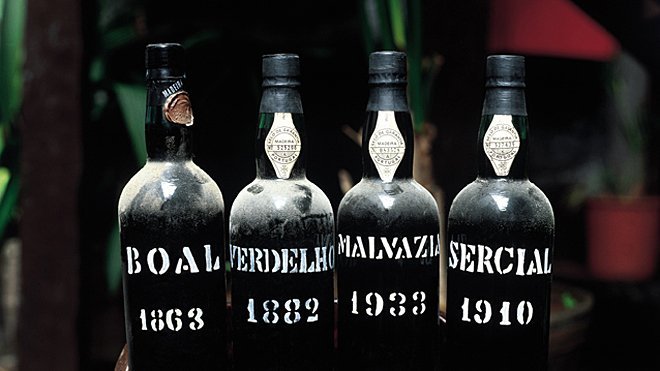
The famousMadeira wine, whose best-known grape varieties are Sercial, Boal, Verdelho, Malvasia, Terrantez and Tinta Negra, can be enjoyed as an aperitif or digestive, as well as with other delicacies, especially the traditional honey cake (of sugar cane honey). Also, it is with sugar cane that the Madeira Rum is made, also known as cane brandy, from the famous poncha, made with honey and lemon, to be tasted when climbing Pico do Areeiro.
Explore the wine-making traditions and more with this Wine day Tour
Madeira Wine
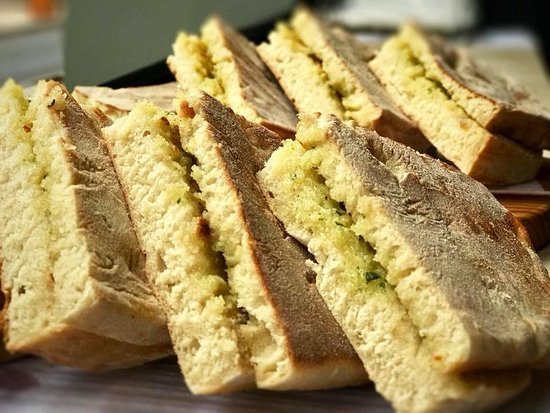
The bolo do caco is a must. Only this is not a cake, but bread baked on a piece of tile which usually accompanies kebabs with garlic butter. Bread in Madeira is also made from yam: the delicious small ring-shaped yam loaves. Queijadas cheese cakes and the fennel boiled sweets are also in great demand.
Bolo do caco
Come and enjoy Madeira’s delicacies, which will surely make your stay a memorable one. Combine the pleasure of socializing with the pleasure of tasting!
More than a national symbol, the famous Portuguese custard tart “Pastel de Nata” is a little piece of heaven…
The history of the Pastel de Nata starts with the first “pastéis de Belém”
Like many other traditional pastries in Portugal, the history of the Pastel de Nata goes back centuries, its origin directly related to the “Pastéis de Belém” which are still made until now.
The first “Pastéis de Belém” date back to the early 19th century. During the liberal revolution, the monks of the Jeronimos Monastery, located in Belém, created the original recipe of the first “pastéis de nata” as a way to ensure their survival. The monks sold the little custard tarts to tourists who arrived by steam boat to visit the monastery and the nearby Torre de Belém.
The “Pastéis de Belém” became so popular that even after the religious orders were expelled from Portugal and the monastery closed in 1834, the monastery’s pastry chef sold the recipe to Domingos Rafael Alves, a Portuguese businessman from Brazil who is responsible for ensuring that the original recipe was able to survive the next two centuries.
During the first few years, the custard tarts were sold in a sugar refinery near the Monastery, but in 1837 the pastry shop “Antiga Confeitaria de Belém” was officially created, leading to the present “Pastéis de Belém” shop which is extremely popular among tourists and the locals.
The original recipe is still made until now and remains the exclusive secret of the Oficina do Segredo (secret workshop) at the Pastéis de Belém factory, the only place where pastéis de nata can receive the trademark “Pastéis de Belém”.
Belem cakes or Pasteis de Belem, Portuguese traditional recipe pastel de Nata Custard Tarts with ingredients on rustic wooden table
Fun facts about Pastéis de Belém:
– The master pastry chefs of the Oficina do Segredo are the only people who know the secret recipe, and have to sign a contract of responsibility and take an oath to not disclose the recipe.
– Each Pastel de Belém is hand made with artisan processes. Despite the time, quality of the ingredients and the work put into each tart, it only costs 1,10€.
– In 2011, the Pastel de Belém was elected one of the 7 Culinary Wonders of Portugal.
– Every day about 20,000 Pastéis de Belém are sold and during weekends the number can double.
– An old Portuguese proverb says that “a bride who eats a Pastel de Belém will never take off her ring” and so it’s quite common to see newly-wed couples, dressed as brides and grooms, at the most famous bakery in Lisbon.
Where to buy Pastéis de Nata
Although the original “Pastéis de Belém” can only be bought in the pastry shop with the same name located next to the Jerónimos Monastery in Lisbon, you can find pastéis de nata in any café or pastry shop in Madeira, and even in supermarkets. However, the taste varies depending on the recipe and “secrets” of each production site.
Some may argue that the differences are subtle, but you’d be surprised to find out how many Portuguese don’t mind driving for several kilometres just to savour their favourite pastel de nata! Our advice is to try a pastel de nata in different places until you find the variety that pleases your taste buds the most.
Warm, with coffee, simple or sprinkled with cinnamon and icing sugar… there are several ways of savouring this delicious pastry!
How to ask for a Pastel de Natal:
– Singular: pastel de nata / Plural: pastéis de nata
– With cinnamon: pastel de nata com canela (you’ll be handed the cinnamon jar directly so that you sprinkle the amount you want yourself!)
– With an espresso coffee: Um pastel de nata e um café, por favor.
Egg tart, traditional Portuguese dessert, pastel de nata. Blue background. Close up
Pastel de Nata recipe
If you are not in Portugal at the moment, you can try making pastéis de nata at home! The ingredients are extremely simple, but getting a perfect Portuguese custard tart does requires some technique!
Although there are countless recipes available, the one below is one of the simplest and a good starting point to try to unlock the “secrets” of this ancient recipe:
Ingredients:
1 package of frozen puff pastry (you can make it from scratch, if you prefer)
1 litre of milk
400 g. of granulated sugar
9 egg yolks
80 g. all-purpose wheat flour
1 lemon peel
1 cinnamon stick
Cinnamon powder (optional)
Flour to sprinkle
Butter to grease
Instructions:
Boil the milk with the cinnamon stick and the lemon peel.
Mix the sugar with the flour and slowly add the milk through a strainer, stirring well afterwards.
Heat again, stirring continuously, remove when the cream is well mixed and allow to cool.
Beat the egg yolks separately and then add them to the cream, stirring constantly.
Roll out the puff pastry on a floured surface. Fold it over and roll over again. With a circle cutter or glass cup, cut circles with the same diameter as the opening of the baking tins.
Grease the tins with butter and line them with a thin slice of puff pastry, stretching it to the edge. To make it easier to stretch the dough, keep your thumbs wet.
Place the tins on a baking tray, and fill each 3/4 full with the cool custard.
Bake in the oven, preheated to 250ºC or more, for about 10 minutes. Depending on your oven, the tops may not brown quite as much as the authentic versions you’ll find here, but they will surely bring you sweet memories of Portugal.
Serve them hot or cold, with or without cinnamon, and most importantly: try not to eat them all… The best things in life are better if they are shared!
The two islands of Madeira and Porto Santo, which belong to Portugal, have a very mild climate, to the point that they can be considered as the islands of eternal spring.
The north-east trade winds, which prevail throughout the year, bring a bit of cloudiness, humidity, and rainfall on the north-facing slopes. On the other hand, in the cold half of the year, the islands can be affected by Atlantic depressions.
Daytime temperatures hover around 19/20 degrees Celsius (66/68 °F) from December to April, and exceed 20 °C (68 °F) between May and November, reaching 26 °C (79 °F) in August and September. The minimum temperatures hover around 13/15 °C (55/59 °F) from December to May, and around 17/19 °C (63/66 °F) from June to October.
Here are the average temperatures of Funchal, the capital, located on the island of Madeira.
Month
Jan
Feb
Mar
Apr
May
Jun
Jul
Aug
Sep
Oct
Nov
Dec
Min (°C)
13
13
13
13
15
17
18
19
19
18
16
14
Max (°C)
19
19
20
20
21
22
24
26
26
24
22
20
Min (°F)
55
55
55
55
59
63
64
66
66
64
61
57
Max (°F)
66
66
68
68
70
72
75
79
79
75
72
68
Funchal – Average temperatures
Sea temperature
The temperature of the sea in Madeira is not very high; however, it’s around 18 °C (64 °F) in winter and spring, when it is very cool if not cold, it’s still 20 °C (68 °F) in June, while it reaches 23 °C (73 °F) in August and September, when it becomes warm enough to swim in.
All year around you can see the amazing Whales, Dolphins and Turtles, book here
Month
Jan
Feb
Mar
Apr
May
Jun
Jul
Aug
Sep
Oct
Nov
Dec
Temp (°C)
18
18
18
18
19
20
21
23
23
22
21
19
Temp (°F)
64
64
64
64
66
68
70
73
73
72
70
66
Funchal – Sea temperature
Rainfall
Rainfall is concentrated in the period from October to mid-April, when it’s quite frequent, while in summer, it rarely rains. The island of Porto Santo is more arid than that of Madeira, and its landscape is green only in the northern inland area, where the altitude reaches 500 meters (1,600 feet).
In the city of Porto Santo, annual rainfall does not reach 400 millimetres (16 inches), while in Funchal, which, as mentioned, is located on the island of Madeira, it is around 640 mm (25 in). Here is the average precipitation in Funchal.
Month
Jan
Feb
Mar
Apr
May
Jun
Jul
Aug
Sep
Oct
Nov
Dec
Year
Prec.(mm)
105
85
65
40
20
12
3
3
35
75
100
100
640
Prec.(in)
4,1
3,3
2,6
1,6
0,8
0,5
0,1
0,1
1,4
3
3,9
3,9
25,2
Days
12
11
10
8
5
3
1
2
6
9
11
13
91
Funchal – Average precipitation
Sunshine
The amount of sunshine on the two islands is acceptable in winter, when there is an alternation between sunny periods and bad weather periods, while it’s good (but not great) in the summer months. In June, a blanket of clouds, called capacete (“helmet”) often forms, which covers the island of Madeira in the early morning but thins out during the warmest hours.
However, even in midsummer, cloud banks can form on the Atlantic Ocean and affect the islands, even if it does not rain. Here are the average sunshine hours per day in Funchal.
Month
Jan
Feb
Mar
Apr
May
Jun
Jul
Aug
Sep
Oct
Nov
Dec
Hours
5
5
6
6
7
5
7
8
7
6
5
5
Funchal – Sunshine
The island of Madeira is larger and occupied by higher mountains, whose highest point is Pico Ruivo, 1,862 meters (6,109 feet) high. Therefore, on this island, there’s a greater variety of microclimates: because of the above-mentioned trade winds, the northern side is rainier and windier than the southern one, where the landscape is more arid. The city of Funchal, on the southern slope, is quite sheltered from the wind. On the other hand, the interior, which is hilly and mountainous, can be covered by a layer of fog or low clouds. Of course, temperatures decrease with altitude. In the mountains, especially above 1,500 meters (5,000 feet), snowfall and frost can occur in winter. In the period from June to September, Madeira can be affected by the Leste, a hot, dry wind blowing from the Sahara, which can raise the temperature above 30 °C (86 °F) and bring a fine red powder. This wind is rarer in Porto Santo.
Best Time
Given that they have a very mild climate, you can visit Madeira and Porto Santo all year round, but from mid-October to mid-April, there may be rains and thunderstorms, especially on the island of Madeira, while the coolest period is from December to April.
So, the best time is the summer, from July to September, since it is the warmest, the sunniest and the most recommended for swimming and sunbathing. However, flower and nature lovers will prefer the spring.
Make a Sailboat trip, and you won’t regret it, check here
What to Pack
In winter: bring spring/autumn clothes, a jumper, a jacket, a raincoat or umbrella. To climb Pico Ruivo, a down jacket, a hat, gloves, hiking shoes.
In summer: bring light clothing, but also a scarf for the wind, a sweatshirt or jumper, a light jacket for the evening. To climb Pico Ruivo, sunglasses, sunscreen, hiking shoes, a sweatshirt and a jacket for the evening.
Please keep in mind that to see all the island you need to rent a car here
After the Madeira wine, “poncha” is the most popular drink on the Island.
This regional drink is made with rum obtained by fermentation and distillation of sugarcane juice produced in the Autonomous Region of Madeira.
During a visit to Madeira, you can try this drink. You can surely find it in bars and restaurants scattered all over the Island. However, there are emblematic places, such as Serra D’Água, Câmara de Lobos, Poiso, Ribeiro Frio or in the old town of Funchal.
Poncha, a traditional alcoholic drink from the island of Madeira, Portugal, made with aguardente de cana and fresh passion fruit. Served along with peanuts.
Poncha: The Spirited Soul of Madeira
Beyond the world-renowned Madeira wine, there lies another local beverage that truly captures the island’s spirit: “poncha.” This beloved regional drink is a potent and flavorful concoction with a rum base, crafted from the fermented and distilled juice of sugarcane grown in the Autonomous Region of Madeira.
No trip to Madeira is complete without indulging in this iconic drink. You’ll find it readily available in bars and restaurants across the island, but for a truly authentic experience, venture to the emblematic locales of Serra D’Água, Câmara de Lobos, Poiso, Ribeiro Frio, or wander through the charming old town of Funchal.
A Sip of History and Tradition
Here are some fascinating facts about Madeira’s treasured “poncha”:
The Classic Recipe: The traditional “poncha” is a simple yet perfect blend of rum (often called sugarcane brandy), fresh lemon juice, and honey. Over time, creative variations have emerged, incorporating the vibrant flavors of local fruits like passion fruit, tangerine, or orange.
A Sailor’s Remedy: The origins of “poncha” may trace back to the 16th century. To combat scurvy during long sea voyages, explorers would carry lemons for their vitamin C. To preserve the fruit, they submerged it in sugarcane brandy and blackstrap molasses, both readily produced in Madeira. This practical solution is believed to have been the precursor to the “poncha” we enjoy today.
The Fisherman’s Twist: A popular variation, known as the “fisherman’s poncha,” substitutes sugar for honey, offering a slightly different, yet equally delightful, sweetness.
The Essential Tool: A specific wooden muddler, known as the “mexelote,” “mexilhote,” or “pau da poncha,” is traditionally used to mix the ingredients, ensuring a perfectly blended drink.
The “Sugarcane Brandy Island”: Madeira’s history with rum production spans over 500 years. The island’s consumption of this spirit was so significant that a legislative diploma once officially nicknamed it the “sugarcane brandy island.”
Poncho – traditional drink of Madeira, Portugal
Experience the Craft
To delve deeper into the heart of “poncha” production, consider visiting these historic distilleries:
Engenhos da Calheta: Located on the west coast, the Society of Engenhos da Calheta offers a fascinating journey into the history of sugarcane production on the island. Their tasting room and “Adega Bar” provide the perfect opportunity to sample molasses cookies, blackstrap molasses cake, and, of course, authentic “poncha.”
Companhia dos Engenhos do Norte: In Porto da Cruz, you can step back in time to 1927. This distillery still produces rum using its original processes and machinery from the industrial age. From March to May, you can take a guided tour to see the equipment in action and taste the popular “Branca” rum.
Poncha the traditional alcoholic drink from the island of Madeira island
Perfect Pairings and a Local Saying
“Poncha” is often enjoyed with savory snacks like peanuts, lupins, or “dentinhos” – small tapas that might include fava beans, tuna with onions, skipjack, or cubes of pork marinated in wine and garlic.
There’s a popular Madeiran expression: “Bebe uma poncha que isso passa!” which translates to “Drink a ‘poncha’ and it will pass!” This phrase encapsulates the local belief that this powerful drink can cure all ills, especially colds and flu.
So, come and discover the traditions of Madeira. Come and taste our “poncha.” It’s delicious… but remember to drink responsibly and in moderation.
Do you want to get new experience?
Stay connected to the wonders of Madeira! Subscribe to receive exclusive travel tips, exciting updates, and special offers straight to your inbox. Your next adventure starts here!