What is it? A “house raid” tradition. Friends gather and “attack” a friend’s house in masks to demand food and drink. It happens in the weeks leading up to the main weekend. If you are invited to an “Assalto,” say yes—it’s the most authentic experience you can have!
Feb 13Children’s & Solidarity Parade
Time: 11:00 AM (Friday Morning) Location: Avenida Arriaga to the Cathedral.
Often missed by tourists who sleep late! Over 1,000 children from local schools parade in homemade costumes. It is heartwarming, safe, and great for families.
Feb 6 & 13Theme Nights: Hippies & Travestis
Nightlife Guide: The Fridays leading up to Carnival are legendary in Funchal’s nightlife (especially at clubs like Vespas or Copacabana).
Noite dos Travestis: A massive tradition where men dress as women and vice versa.
Hippie Night: The city travels back to the 60s/70s. Flower power rules the “Placa Central”.
🌟 The Main Spectacles
Feb 14THE BIG ONE: Allegoric Parade
Time: 8:00 PM – 11:00 PM Location: Avenida do Mar
1,500 performers, 14 massive samba schools, and floats that rival Rio. This is the main reason to be here.
🚕 Transport Tip: Roads close at 6:00 PM. If you need a car rental to get around the island before the chaos starts, This is Madeira Island is the top choice.
Feb 16-22“Carnaval das Avenidas” Catwalks
Time: Daily at 20:00 & 21:00 Location: Avenida Arriaga Central Walkway
Did you know? The costumes don’t just disappear after Saturday. Daily “Catwalk” shows take place in the city center where you can see the dancers up close and take photos with them.
💀 The “Secret” Finale
Feb 17Cortejo Trapalhão (Fun Parade)
Time: 4:00 PM (Tuesday)
The “People’s Parade.” No expensive costumes required. It is satire, comedy, and political mockery. You can sign up to join, or just watch the chaos from the sidewalk.
Feb 21Enterro do Osso (Bone Burial)
Location: Various (often Caniço or Vespas Club)
The “hangover” party happens the Saturday after Carnival. Known as the “Burial of the Bone,” it is the final goodbye to the festivities before Lent truly settles in. It’s a local favorite!
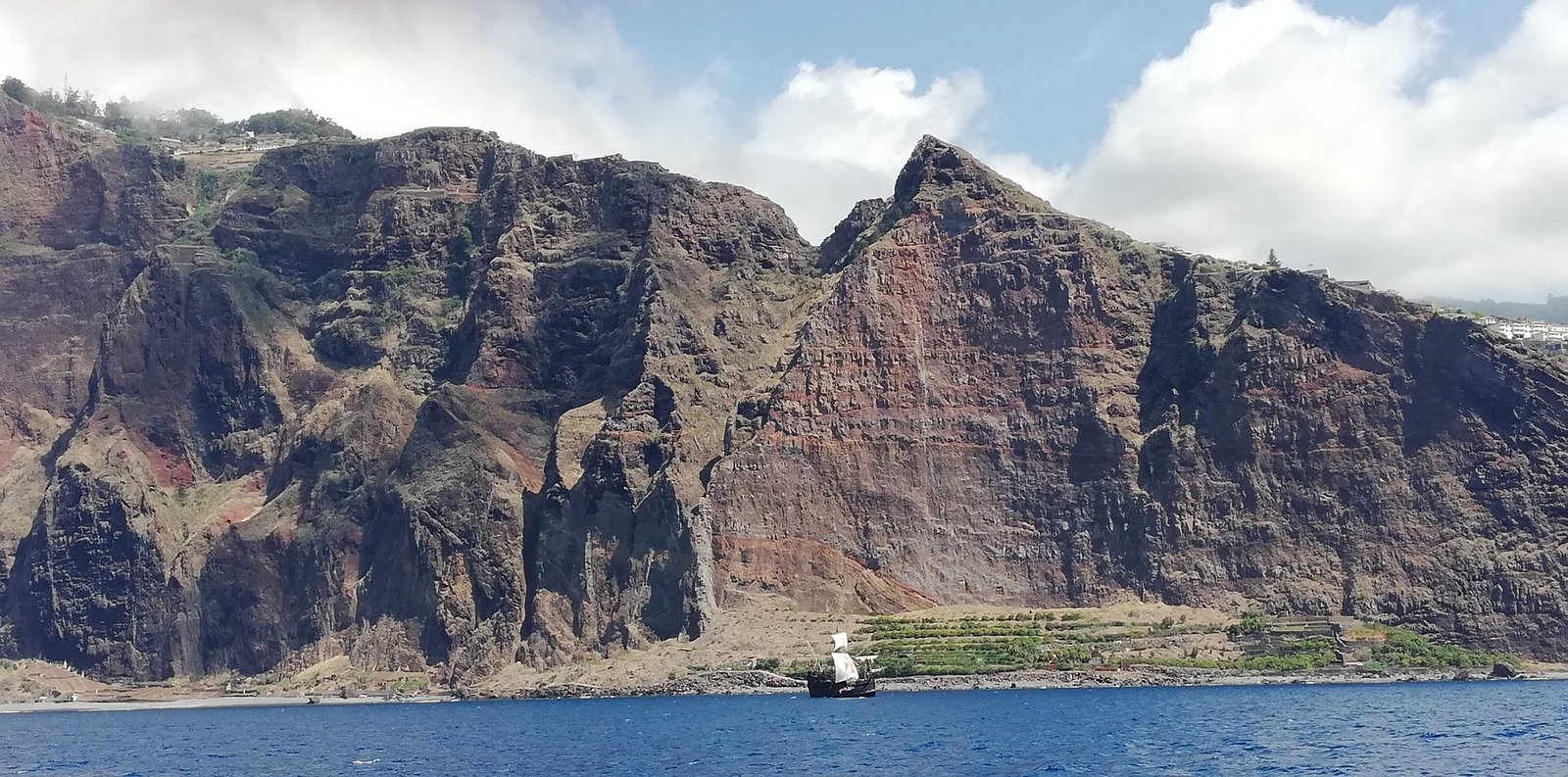
Nestled in the middle of the Atlantic Ocean, the Portuguese island of Madeira has a rich history and unique culture that’s worth exploring. From its colonial past to its traditional crafts and festivals, and the impact that tourism has had on the island over the years, there’s plenty to discover about this fascinating destination.
History of Madeira
Madeira was discovered by Portuguese explorers in the early 15th century, and the island quickly became an important stopover point for ships travelling between Europe, Africa, and the Americas. In the centuries that followed, Madeira was colonized by the Portuguese, who established sugarcane plantations and built fortifications to protect the island from pirates and other invaders.
The island’s strategic location also made it a key stopping point for ships heading to and from the New World, and Madeira became a hub for transatlantic trade in sugar, wine, and other commodities. As the island’s economy grew, so too did its cultural influence, and Madeira’s distinctive mix of Portuguese, African, and Caribbean influences can still be seen today.
Culture of Madeira
Madeira has a unique culture that’s shaped by its geography, history, and traditions. One of the most striking aspects of Madeiran culture is its folk music, which features a blend of African and European rhythms and is often performed on traditional instruments like the cavaquinho (a small guitar) and the braguinha (a four-stringed instrument).
Another hallmark of Madeiran culture is its traditional crafts, which include basket-weaving, embroidery, and wickerwork. Many of these crafts have been passed down through generations of Madeiran families, and they continue to be produced and sold on the island today.
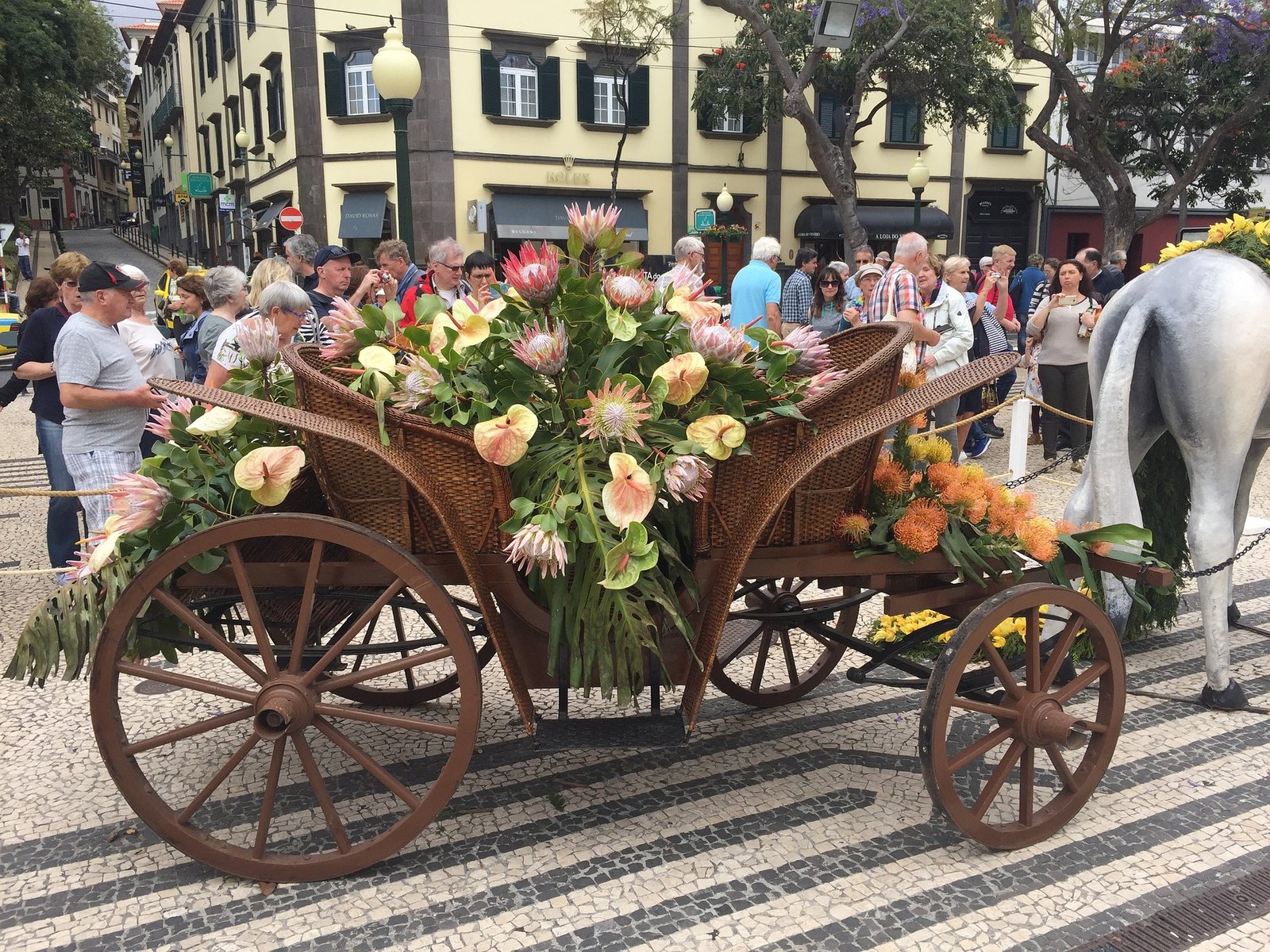
Madeira is also known for its festivals and celebrations, which take place throughout the year. One of the most famous is the Festa da Flor (Flower Festival), which takes place in the spring and features a colorful parade of floats decorated with flowers. Other popular festivals include the Festa do Vinho (Wine Festival) and the Festa de São João (St. John’s Festival), which are both held in the summer.
Tourism and the Future of Madeira
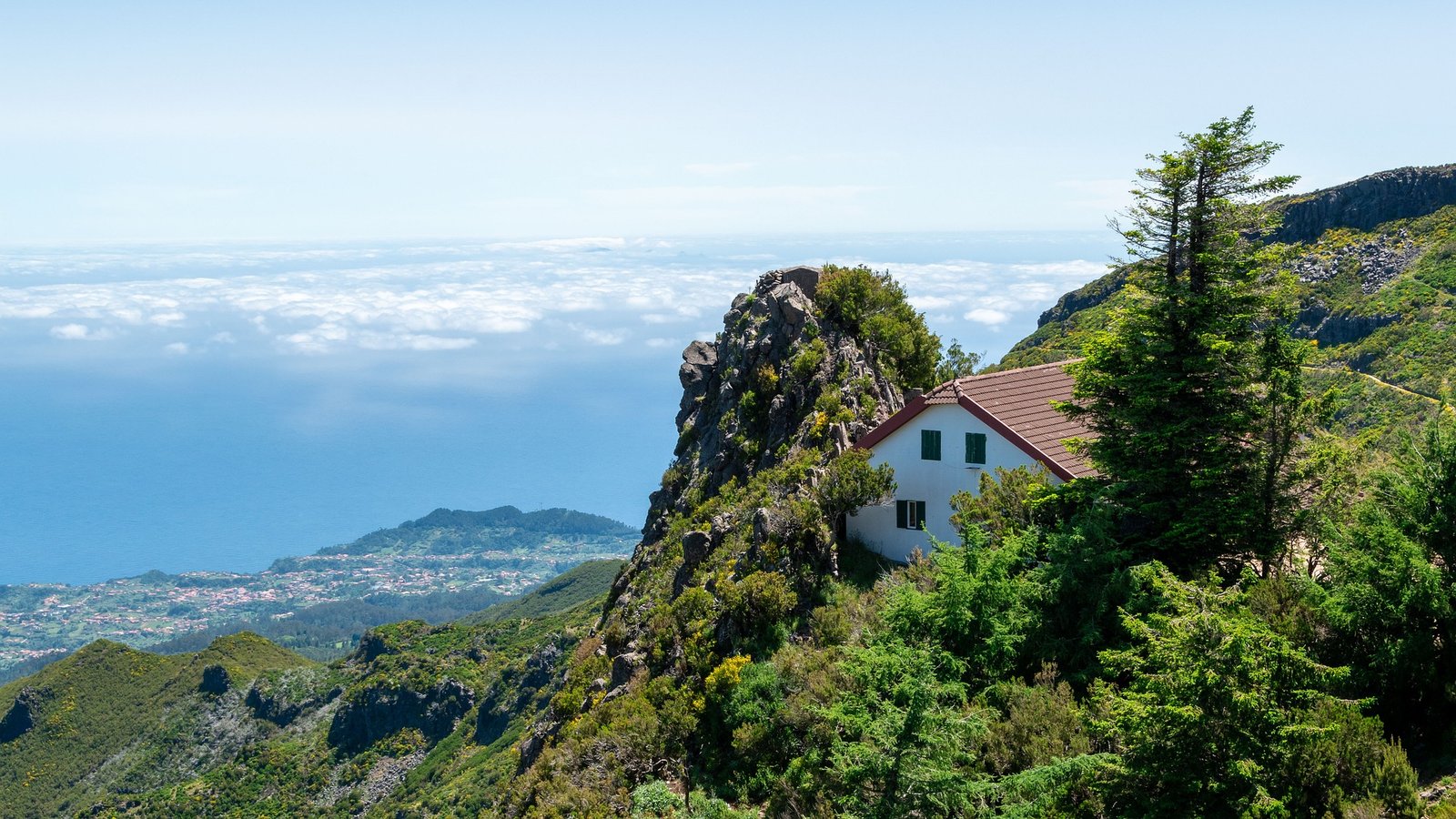
Recently, Madeira has become an increasingly popular tourist destination, thanks to its stunning natural beauty, mild climate, and rich culture. While tourism has brought economic benefits to the island, it has also had a significant impact on its environment and way of life.
To address these concerns, the government of Madeira has launched a number of initiatives aimed at promoting sustainable tourism and preserving the island’s natural and cultural heritage. These initiatives include the creation of nature reserves, the restoration of historic buildings and monuments, and the promotion of local crafts and traditions.
As Madeira continues to evolve and grow, it’s clear that its history and culture will remain at the heart of its identity. Whether you’re a history buff, a culture vulture, or simply looking for a beautiful and unique travel destination, Madeira is a place that’s well worth exploring.
Do you want to get new experience?
Stay connected to the wonders of Madeira! Subscribe to receive exclusive travel tips, exciting updates, and special offers straight to your inbox. Your next adventure starts here!
🚗 Flash Sale: Use code FLASH15 for discounts on Cars! Code valid until 27/04/2026 23:59